Information Science • Offshore Survey • Search & Rescue • Marine Tech

Hi, I’m Sebastian Downes.

I’m a college student studying information science. I also work in the offshore survey industry, specifically supporting search and rescue missions for lost vessels. Outside of work and school, I’m an avid skier, and hit the slopes every chance I get.

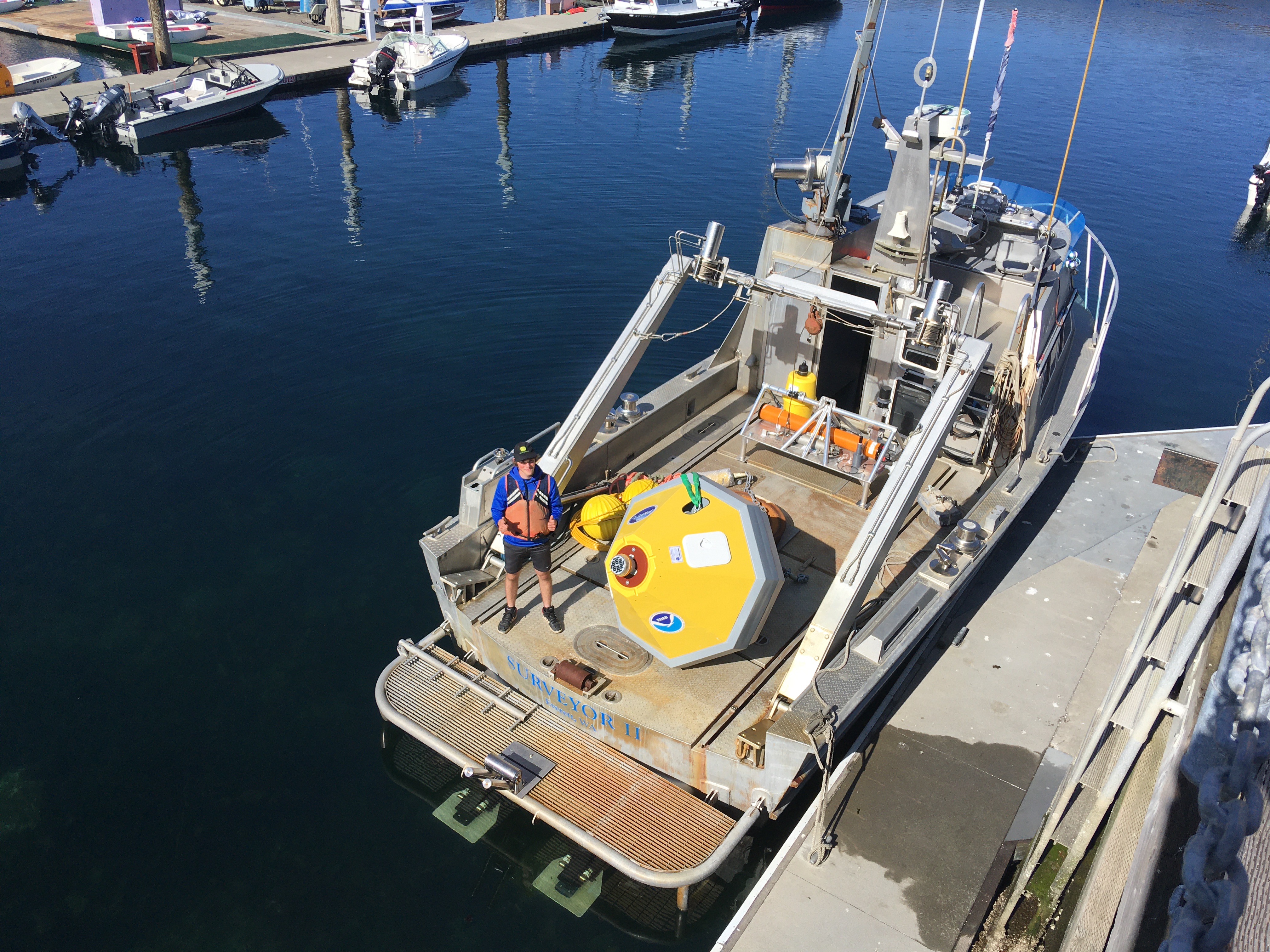
Image of me on the vessel surveyor 1

Above: Image of me on the vessel surveyor 1, placing a NOAA buoy in Lake Washington.

About

What I’m about

I combine technical problem-solving with field operations experience. In offshore survey and search & rescue settings, I’ve worked with undersea systems, data processing, and cross-functional teams under time pressure. I integrate approaches I have learned here into data science applications utilizing modern tools to understand complex data.

I’m drawn to roles where careful execution matters — turning messy field conditions into clean, trustworthy data.

Quick facts

  • Focus: Information science + team leadership
  • Education: B.S. Informatics (in progress), Chemistry minor at the University of Washington
  • Domains: Undersea instrumentation, survey workflows, search & rescue, data science
  • Personal: Skiing (most winter weekends on the slopes)
  • Based in: Seattle, WA

Skills

A mix of technical delivery, field operations, and leadership.

Technical

  • Python, Java, JavaScript, R
  • Linux
  • Sonar / lidar / bathymetry data processing
  • Instrument integration & validation

Operations

  • Remotely operated vehicle (ROV) piloting & maintenance
  • Field troubleshooting under constraints
  • Reliable execution in high-stakes contexts

Collaboration

  • Technical project management
  • Team management
  • Clear communication with stakeholders

Projects

A few projects from the water and the keyboard — how I build, test, and learn.

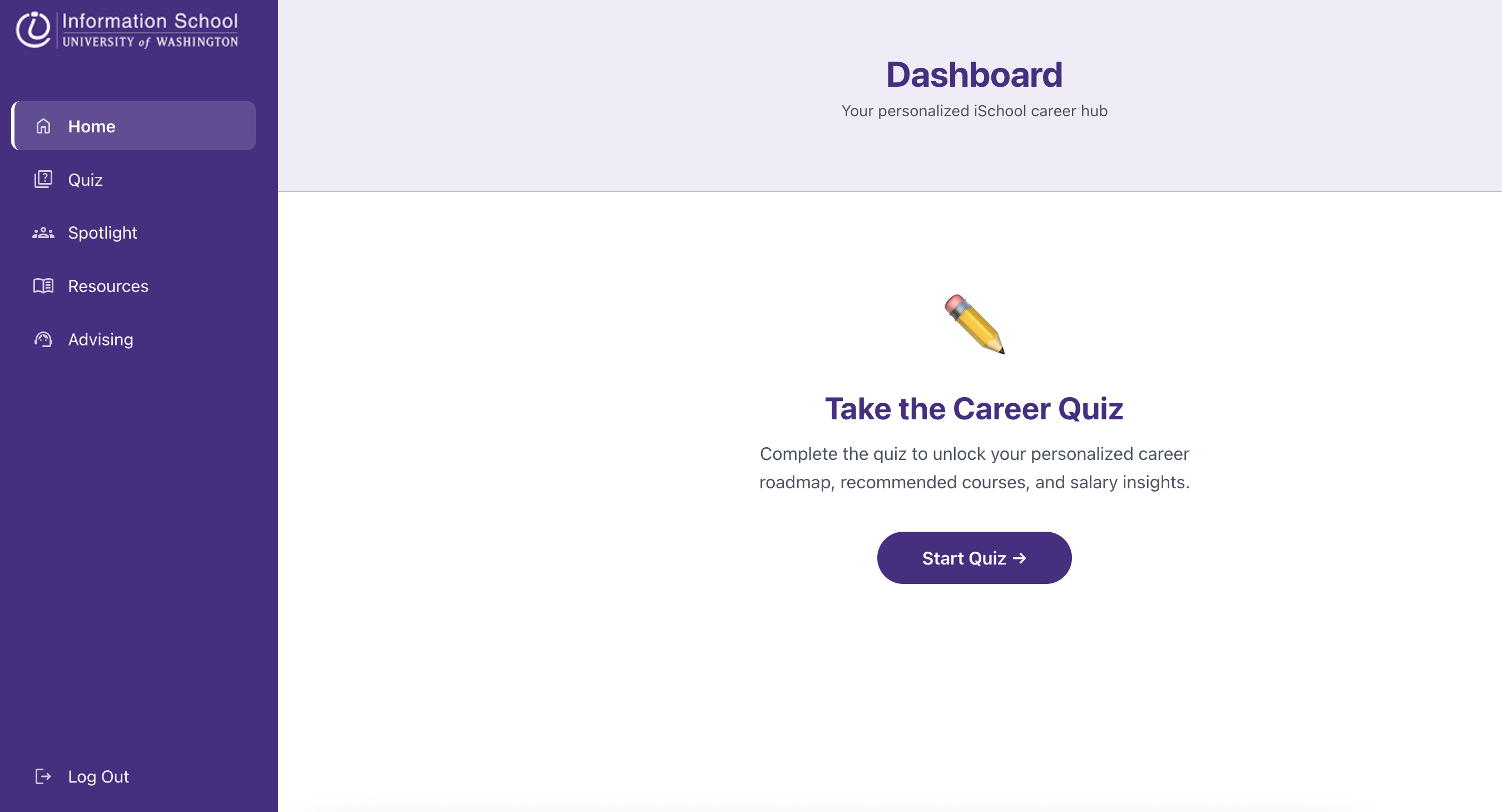
Homepage of ischool dashboard capstone project

Above: Capstone project (in progress): ISchool Career Dashboard.

Capstone (In Progress): ISchool Career Dashboard

Goal: Create a web dashboard for informatics undergraduate students at the University of Washington to connect them with resources, aid in choosing classes, and offer a go-to place for common questions and concerns.

JavaScript Firebase Prototyping User testing

Team process

As a team, we started with an initial prototype, built a quick “example” version to validate the concept, then did client outreach to recruit testers. We ran research + user testing, synthesized feedback, and are now iterating toward the final product.

My role (backend)

I built the backend in JavaScript with Firebase, set up deployment, and handled ongoing maintenance so the team could test a stable build. I also participated in outreach conversations with clients/testers and brought those requirements back into implementation.

Takeaways and Next steps

Most user testing was centered around which resources were most lacking in the current infastructure. Overwhelmingly, the takeaway was that many students are not aware of resources at their disposal including councelling and curriculum options, meaning our initial prototype was already proving to be useful. Our next steps are to finish the refined prototype, tighten the flow through the tool based on the latest user sticking point findings, and prepare a polished final build for handoff/demo.

Links and demo: View here
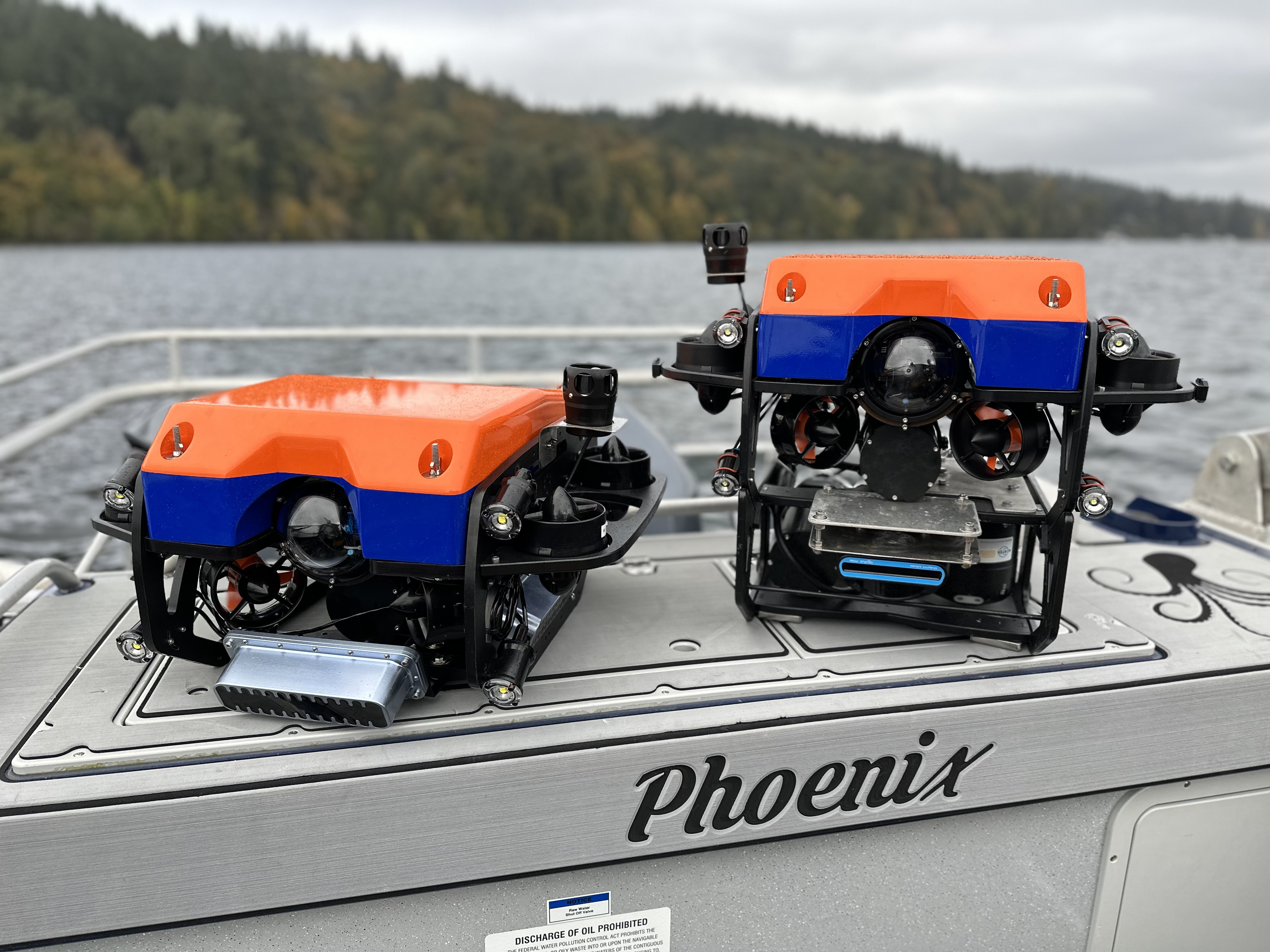
Small undersea equipment with positioning systems

Above: Image of small undersea vehicles fitted with positioning equipment.

Integrating undersea instruments into a search & rescue workflow

Goal: fuse instruments into a reliable positioning workflow for seabed operations — accurate, repeatable, field-ready.

Python Binary parsing Integration Field-ready testing

My role

Instrument integration and translation of binary data using Python.

Problem / opportunity

Small undersea assets are notoriously hard to position; solving this made our work faster and more confident offshore.

Process

Documentation → lab testing → iterative validation cycles until the workflow was stable and correct.

Outcome

The solution worked well and freed capacity to focus on other problems; no further iteration needed yet.

Takeaway

Adequate time allocation reduces stress and increases overall execution efficiency.

Placeholder image for vessel search project (under NDA)

Vessel search (under NDA)

Goal: locate a small vessel off the coast of Australia after earlier search passes came up empty.

Technical leadership Operations Data processing Team coordination

My role

Technical lead: equipment operation and maintenance, data processing, and field responsibilities.

Approach

Sectioned areas by likelihood and searched methodically until successful.

Outcome

The vessel was found.

Takeaway

How to collaborate with diverse teams under high stress and away from support.

Details and media: coming soon (NDA).